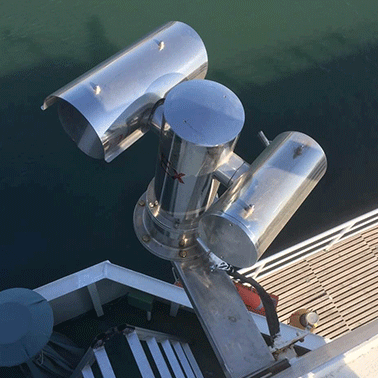
Where Are Explosion-Proof Cameras Widely Used? Top Industries and Application Scenarios?
The risk of fire or blast can hide in daily operations. I use explosion-proof cameras to reduce that risk and protect people and assets.
Explosion-proof cameras are used where flammable gas, vapor, or dust may ignite. Typical sites include oil and gas, chemical plants, mines, pharmaceuticals, grain processing, LNG/LPG, power, ports, waste facilities, and defense labs.
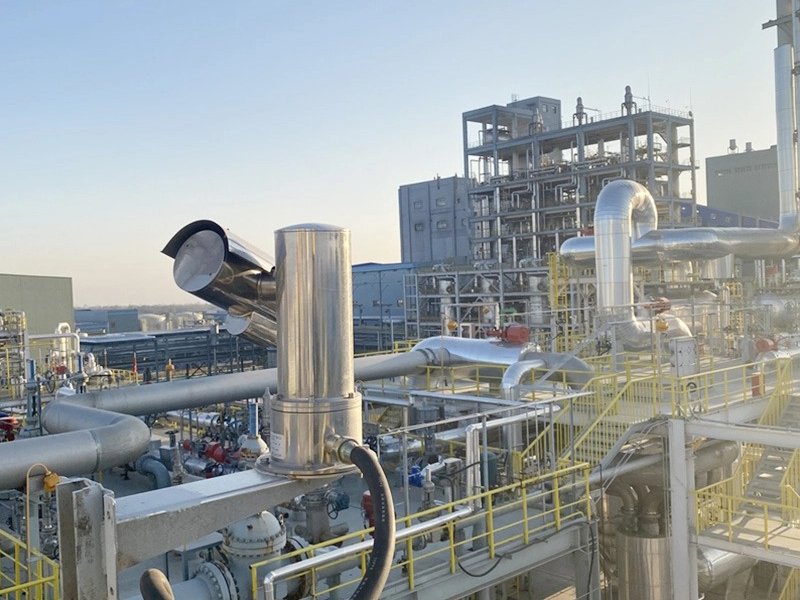
I see many teams delay action because the risk feels distant. I keep this simple. I match the camera rating to the hazard zone and the process risk. I confirm standards and maintenance. Then I move fast.
Oil & Gas: Wellheads, Gathering Stations, and Refining Units?
A small leak can turn into a major incident fast. I make sure the camera sees every valve, joint, and flare, day and night.
The best practice is to install certified cameras near wellheads, manifolds, separators, compressor areas, crude tanks, and refining units. I also cover control rooms facing process areas and loading racks.
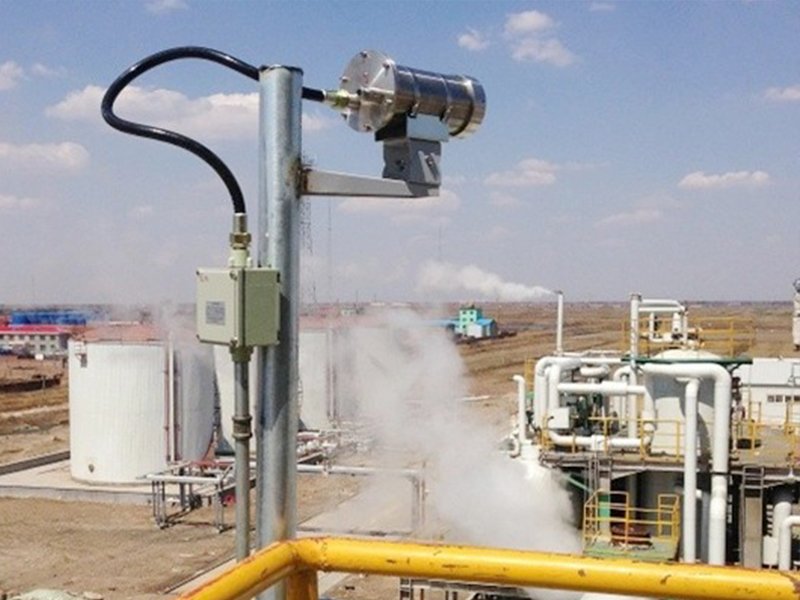
I split oil and gas into upstream, midstream, and downstream to plan camera coverage. Upstream needs robust cameras with high corrosion resistance at well pads, gathering lines, and gas lift manifolds. Midstream needs thermal and visual coverage at compressor stations, dehydration units, and custody transfer points. Downstream needs continuous monitoring around crude distillation, catalytic reforming, hydrocrackers, and tank farms. I map hazardous area zones (Zone 0/1/2 or Class I Div 1/2) and place the camera outside Zone 0 when possible. I use PoE or fiber for long runs and avoid hot work near live gas. I add audio to capture alarms and intercoms when allowed. I link video to SCADA for alarm-driven views. I track salt mist and H2S exposure. I plan for sun, sand, and temperature swings. I verify ATEX/IECEx or NEC compliance and keep spares on site.
| Area | Hazard Type | Typical Zones | Camera Focus | Notes |
|---|---|---|---|---|
| Wellhead | Gas/Vapor | Zone 1/2 | Leaks, valves | Corrosion-resistant housing |
| Gathering station | Gas | Zone 1/2 | Manifolds, compressors | Fiber backhaul for distance |
| Refining unit | Gas | Zone 1 | Reactors, furnaces | High temp tolerance |
| Tank farm | Vapor | Zone 2 | Vents, gauging | Long-range PTZ |
| Loading bay | Vapor | Zone 1/2 | Hoses, couplings | Fast incident review |
Chemical & Petrochemical: Solvent Workshops, Tank Farms, and Loading Bays?
Solvent vapor can ignite with a tiny spark. I design coverage around transfer points and process vessels to catch issues early.
I place explosion-proof cameras at mixing rooms, reactor skids, solvent storage, pump rooms, manifolds, filling lines, and truck or rail loading bays, with clear views of drains, vents, and spill areas.
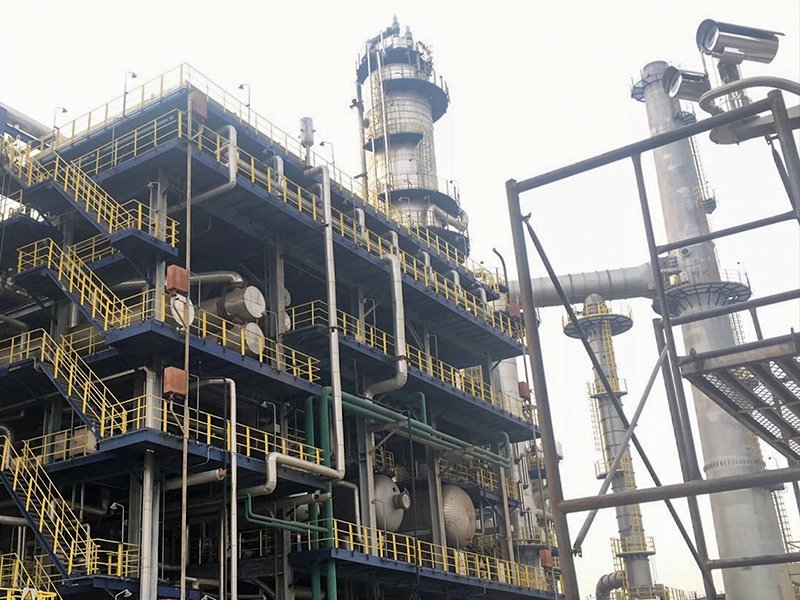
I start with the MSDS of the top solvents and map flash points and vapor densities. Heavier-than-air vapors pool, so I watch low points near floors and pits. I use cameras with stainless housings to resist solvents and caustics. I move the camera away from Zone 0 and rely on PTZ reach to view agitators and reactors. I add thermal imaging near distillation columns to spot hot spots. I set privacy masks for lab areas that need limited views. I pair cameras with gas detectors so alarms trigger instant video. I ensure lighting is safe and does not break the rating. I route cables through certified glands and seal boxes. I standardize lens wipers for sticky environments. I set retention rules for incident analysis. I train operators to report lens fouling and gasket wear.
| Process Area | Risk | Placement | Key View | Compliance |
|---|---|---|---|---|
| Solvent workshop | Vapor | Zone 1 perimeter | Mixers, vents | ATEX II 2G |
| Tank farm | Vapor | Zone 2 | Breathers, domes | IECEx certified |
| Pump room | Ignition | Zone 1 | Seals, leaks | IP66/67 |
| Loading bay | Transfer | Zone 1/2 | Hoses, ground | Intrinsically safe accessories |
| Reactor skid | Heat/pressure | Zone 1 | Relief lines | Thermal add-on |
Mining (Coal and Metal): Underground Gas Areas and Conveyor Lines?
Coal mines face methane and dust. Metal mines face fumes and heat. I set cameras to survive and stay clear.
I install explosion-proof cameras in gas-prone headings, belt conveyors, transfer points, crushers, and fuel storage, with stable mounts and protected cabling.
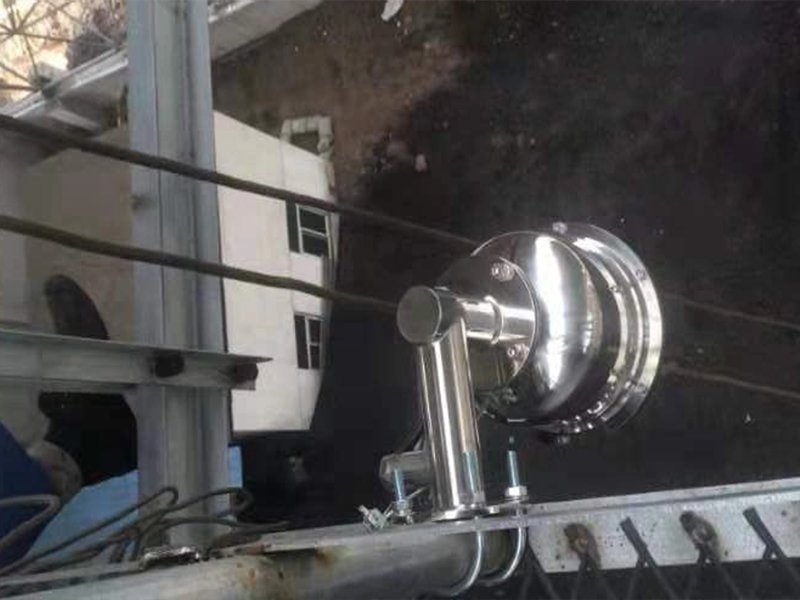
Underground coal needs strict gas certification and rugged housings. I use compact cameras at belt drives and tensioners to see spillage and fires. I add vibration-rated mounts for crushers and screens. I keep lenses clean with wipers due to dust. I route cables along safe paths and avoid roof bolt interference. I plan for low bandwidth and use edge recording. I set IR to avoid glare on dust. For metal mines, I watch fuel bays, maintenance shops, and concentrate storage where fumes or dust can ignite. I check local mining codes and electrical classes carefully. I train teams to inspect seals after blasting. I use thermal imaging at conveyors to detect bearing heat. I place cameras at refuge chambers to assist response. I ensure UPS power for critical views.
| Location | Hazard | Camera Need | Feature | Note |
|---|---|---|---|---|
| Underground heading | Methane | Compact EX camera | IR, wide FOV | Strict certification |
| Conveyor line | Dust/fire | PTZ + thermal | Heat alarms | Vibration mount |
| Crusher house | Dust | Fixed rugged | Wiper | Edge storage |
| Fuel bay | Vapor | EX fixed | Corrosion resistance | Spill monitoring |
| Workshop | Fumes | EX PTZ | Audio | Incident capture |
Pharmaceuticals, Paints & Inks: Solvent Processes and Cleanroom Requirements?
Solvent processes mix flammable risk with strict hygiene. I match cleanroom needs with hazardous ratings.
I use explosion-proof cameras with cleanroom-friendly housings near solvent mixing, dispensing, and filling lines. I keep views short and simple in classified zones.
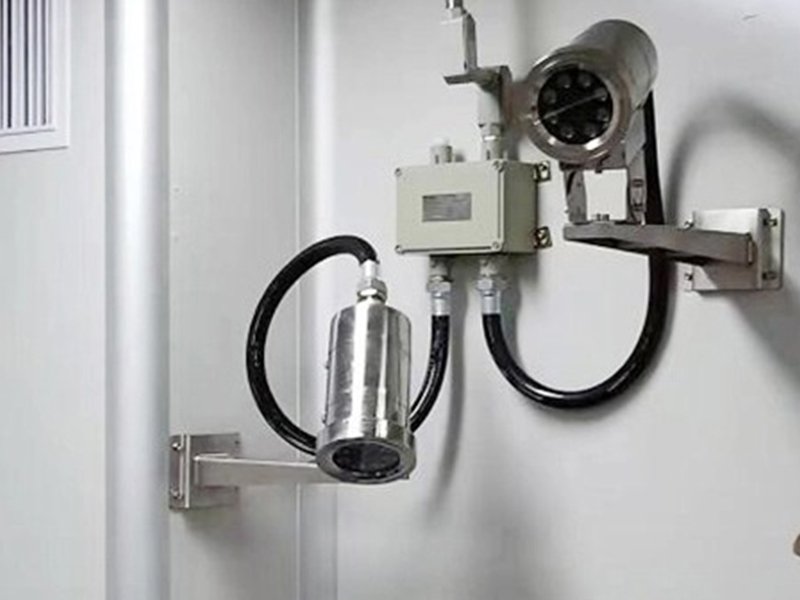
I choose smooth, sealed housings with minimal crevices for cleanrooms. I use stainless steel with electropolish when possible. I confirm compatibility with cleaning agents like IPA. I place cameras at solvent tanks, dosing skids, and mixing vessels. I watch grounding points and static control mats. I ensure the camera glass resists solvents and scratches. I set strict privacy for formulation areas. I align with GMP and ATEX/IECEx. I keep cable runs outside the clean zone and use feedthroughs with sanitary fittings. I plan periodic swab tests for housings. I coordinate maintenance windows to avoid contamination. I record batches and transfers for traceability. I keep light levels consistent to avoid QC confusion. I add simple labels for fast identification during audits.
| Area | Risk | Camera Spec | Placement | Cleaning |
|---|---|---|---|---|
| Solvent mixing | Vapor | EX stainless | Above vessel | IPA compatible |
| Dosing skid | Static/vapor | EX compact | Side view | Sealed joints |
| Filling line | Vapor | EX fixed | Nozzle area | Smooth finish |
| Storage room | Vapor | EX PTZ | Vent lines | Periodic swab |
| QC space | Low | Non-EX or EX | Perimeter | Privacy mask |
Grain, Feed & Powder Processing: Dust Explosion Risks in Silos and Packaging?
Fine dust can explode suddenly. I cover silos, mills, and bagging lines to catch ignition sources.
I place cameras near silo tops, bucket elevators, cyclones, filters, and packaging lines, focusing on bearings, chutes, and spark risk zones.
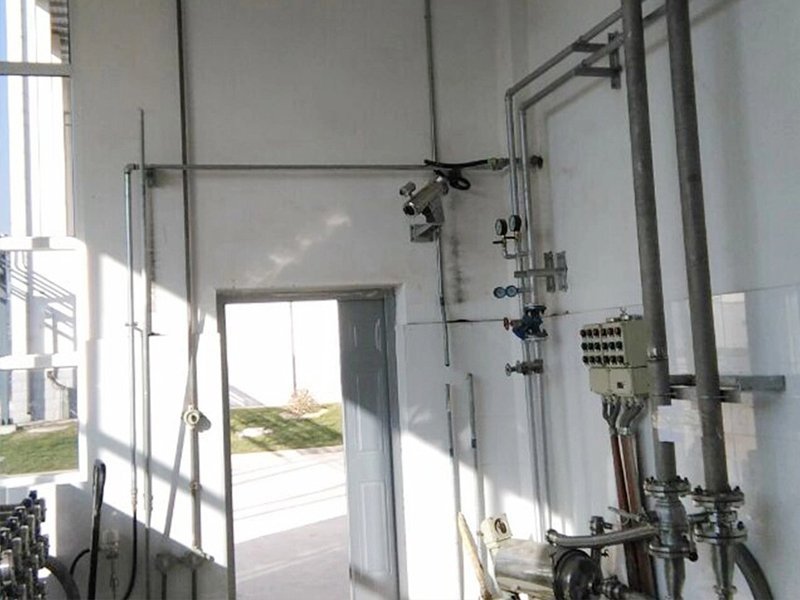
Dust clouds need only a spark. I add thermal cameras at bucket elevators to watch bearing heat. I place fixed cameras at sieves and grinders to see buildup. I watch dust collector differential pressure screens. I set views on rotary valves and screw conveyors. I keep housings dust-tight with proper ingress ratings. I choose lenses with protective windows to handle abrasion. I route cables away from moving parts. I align with NFPA standards for combustible dust. I measure light to avoid glare on dust clouds. I install cameras above bagging stations to see sparks, jams, and poor grounding. I pair systems with spark detectors when needed. I keep storage areas in view for hot work checks.
| Point | Hazard | Camera Type | Key View | Add-on |
|---|---|---|---|---|
| Silo head | Dust | EX PTZ | Elevator inlet | Thermal optional |
| Cyclone | Dust | EX fixed | Discharge | Dust-tight seals |
| Filter | Dust | EX fixed | DP gauge | Alarm link |
| Packaging | Dust | EX fixed | Bagging nozzle | Grounding check |
| Grinder | Dust/heat | EX fixed | Chambers | Wiper lens |
LNG/LPG and Fuel Stations: Unloading Islands, Storage Tanks, and Metering Areas?
Cryogenic liquid and pressurized gas need strict oversight. I watch transfers and relief lines closely.
I install cameras at unloading islands, storage tanks, vaporizers, pump skids, meters, and hose connections, with clear views of vent stacks and emergency shutoffs.
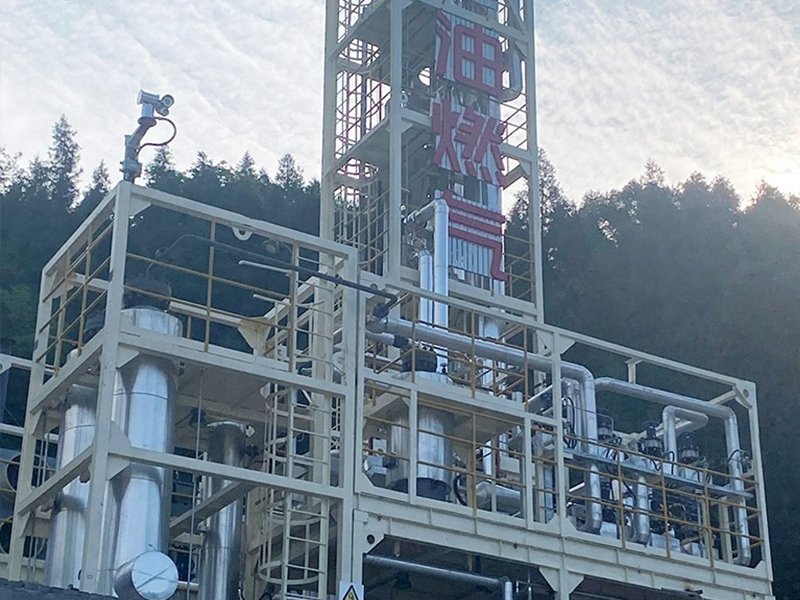
I select cameras rated for low temperatures near LNG vaporizers and pipelines. I use heaters and window defoggers. I set PTZ views over truck or ship unloading islands. I cover level gauges and loading arms. I monitor ESD stations and spill containment. I ensure Class I Div 1/2 or Zone 1/2 compliance. I add thermal near vaporizers to see abnormal cold patterns. I route fiber to avoid electrical noise. I shield cameras from jet fires with standoffs and barriers when possible. I check wind patterns to place cameras upwind. I verify grounding of camera poles. I set event-triggered recording on valve operations.
| Area | Risk | Zone | Camera | Note |
|---|---|---|---|---|
| Unloading island | Vapor | Zone 1 | EX PTZ | ESD coverage |
| Storage tank | Vapor | Zone 2 | EX fixed | Breather view |
| Vaporizer | Cold/vapor | Zone 2 | EX thermal | Heater needed |
| Metering | Leak | Zone 1/2 | EX fixed | Clear labels |
| Hose bay | Transfer | Zone 1 | EX fixed | Spill capture |
Power & New Energy: Battery Storage Sites, Hydrogen Facilities, and Substations?
New energy adds new hazards. I watch battery rooms and hydrogen systems with robust monitoring.
I deploy cameras in BESS containers, inverter rooms, hydrogen electrolyzers, storage racks, and refueling points, with fast incident detection.
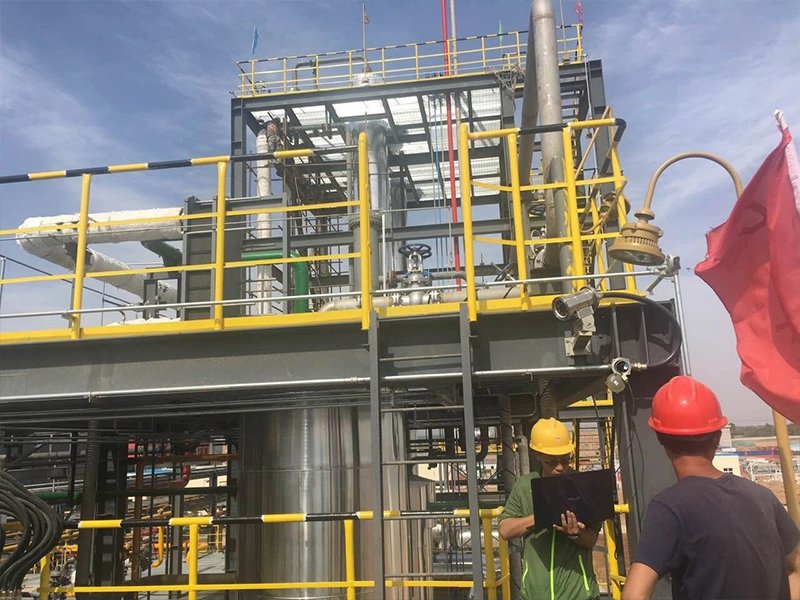
Battery energy storage needs early warning. I add thermal cameras to see heating cells. I place fixed cameras to watch vents, doors, and extinguishing systems. I integrate alarms with BMS. I keep housings chemical-resistant due to off-gassing risk. For hydrogen, I track valves, compressors, and storage. I protect from UV and weather. I set views on leak detectors. I ensure grounding and avoid static buildup. I verify ratings for outdoor Class I Div 2. I use fiber in substations to avoid EM interference. I keep camera poles outside high-voltage exclusion zones. I add audio for alarm verification. I plan hot day cooling for housings.
| Site | Hazard | Camera | Focus | Integration |
|---|---|---|---|---|
| BESS container | Thermal runaway | EX thermal + fixed | Vents, doors | BMS link |
| Inverter room | Electrical | Rugged fixed | Panels | EMI shielding |
| Hydrogen plant | Gas | EX PTZ | Valves | Gas alarm link |
| Refueling point | Gas | EX fixed | Dispensers | ESD tie-in |
| Substation | Arc/EMI | Rugged fixed | Switchgear | Fiber backbone |
Marine & Ports: Chemical Terminals, Hazardous Warehouses, and Deck Operations?
Port operations mix many hazards. I watch transfers, storage, and ship decks with stable views.
I place cameras at chemical berths, manifold connections, hazardous warehouses, and deck operations, covering gangways, hose handling, and venting.
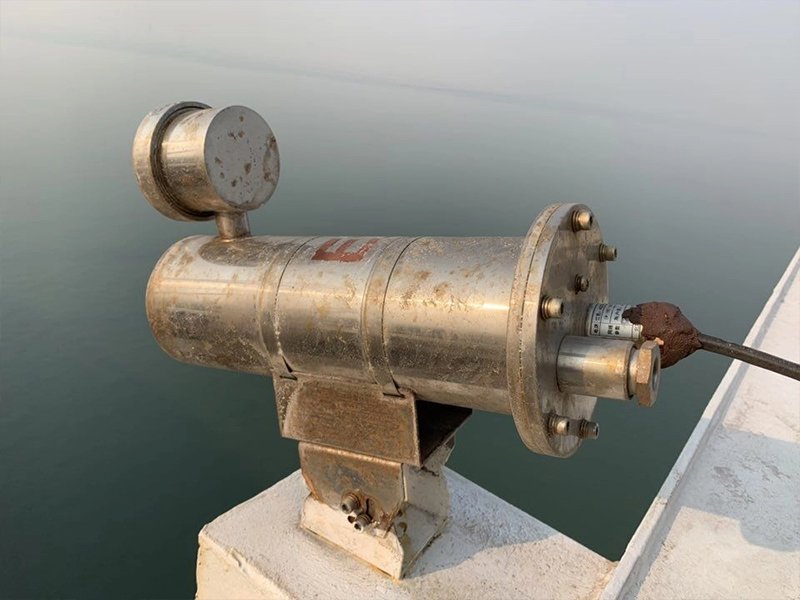
I use marine-grade housings with anti-corrosion coatings. I add wipers and washers for salt spray. I set PTZ on berths to follow loading arms. I cover manifold pits and drain lines. I monitor warehouse aisles and emergency exits. I align with ISGOTT and terminal rules. I keep cameras away from ignition sources and use certified junction boxes. I plan lightning protection. I set thermal views for deck hot work permits. I use overlays to tag ship names and timestamps for transfer logs. I coordinate with VTS for incident replay. I protect cabling from crane movement.
| Area | Hazard | Camera | View | Marine Notes |
|---|---|---|---|---|
| Chemical berth | Vapor | EX PTZ | Loading arm | Salt-proof |
| Manifold pit | Vapor | EX fixed | Couplings | Drain watch |
| Hazardous warehouse | Vapor/dust | EX fixed | Aisles | Access control |
| Ship deck | Hot work | EX thermal | Work zone | Permit support |
| Gangway | Safety | Rugged fixed | Boarding | Lighting control |
Waste Treatment & Environmental Facilities: Hazardous Waste Transfer and Biogas Plants?
Waste streams can be flammable. I follow transfers and gas systems closely.
I install cameras at waste reception, transfer bays, solvent drums, digesters, gas holders, and flare stacks, with views of seals and valves.
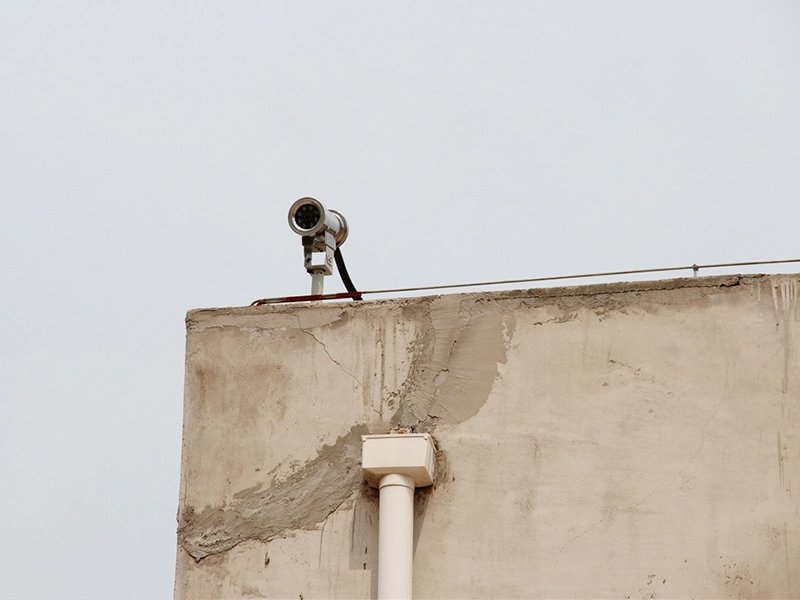
I separate waste types and map hazards. I watch drum handling, pump transfer stations, and neutralization tanks. I ensure cameras can handle chemical mist. I place views over digester roofs and gas domes. I monitor blowers, compressors, and flare pilots. I set alarms for high H2S areas. I use thermal to check flare status. I route cables through safe corridors. I design housings for easy gasket replacement. I avoid reflections at night. I confirm local environmental permits and reporting needs. I add event bookmarks for spills and load-outs.
| Area | Hazard | Camera | Key View | Note |
|---|---|---|---|---|
| Transfer bay | Vapor | EX fixed | Hoses, pumps | Spill log |
| Drum storage | Vapor | EX fixed | Labels | Access control |
| Digester | Gas | EX PTZ | Roof valves | H2S alarms |
| Gas holder | Gas | EX fixed | Membrane | Thermal flare check |
| Flare stack | Flame | EX thermal | Pilot | Wind shield |
Defense & Laboratories: Ammunition Depots and High-Risk Test Chambers?
High-risk labs and depots need strict control and proof. I document every step.
I deploy cameras in ammunition storage, explosive test ranges, mixing rooms, and high-risk chambers, with clear record-keeping and access control support.
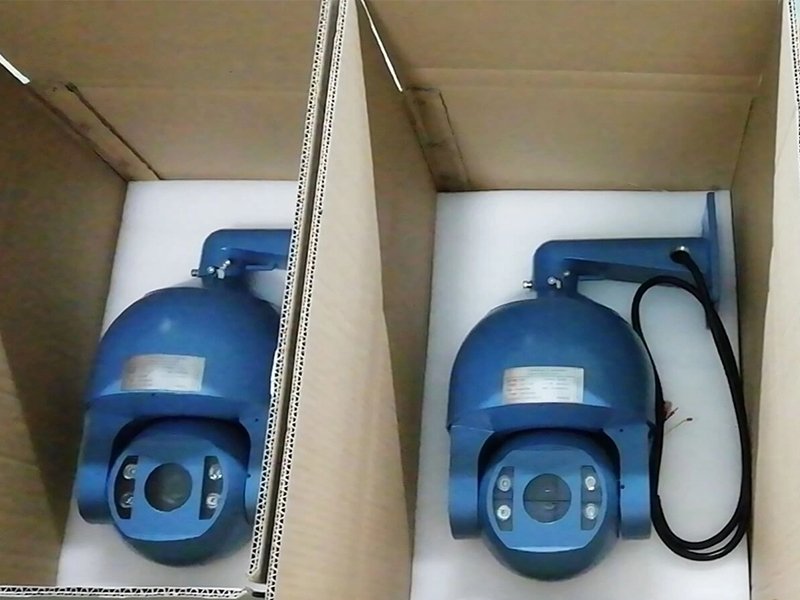
I match ratings to the explosive class and lab rules. I use remote PTZ to avoid entry during tests. I set redundant power and recording. I add audio where allowed. I track door states and interlocks. I map evacuation paths. I use time-stamped overlays and audit trails. I keep lenses clean for forensic review. I set cameras outside blast lines when possible and use shields. I verify compliance with military or national standards. I brief teams on maintenance and inspection. I keep spares ready.
| Area | Hazard | Camera | Focus | Compliance |
|---|---|---|---|---|
| Ammunition depot | Explosion | EX fixed | Aisles | National standard |
| Mixing room | Vapor | EX fixed | Vessels | Access control |
| Test chamber | Blast | EX PTZ | Target area | Remote control |
| Range | Heat/blast | Rugged PTZ | Firing line | Redundant power |
| Prep area | Vapor | EX fixed | Tools | Audit logs |
Conclusion
Explosion-proof cameras protect people and assets in hazardous areas. I place them by process risk, certify them, and integrate alarms for fast, clear response.