Explosion-Proof vs. Intrinsically Safe: What’s the Difference?
The wrong protection in a hazardous area can stop production and risk lives. I have seen that happen. The fix starts with the right method.
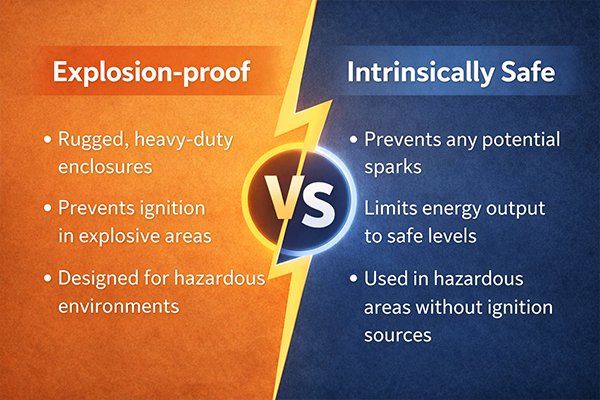
Explosion-proof (Ex d) contains an internal blast. Intrinsically safe (Ex i) prevents ignition by limiting energy. Choose based on power needs, environment, and maintenance practices.
%(一定要是百分比键,而不是感叹号)
I help customers pick between Ex d and Ex i every week. I start with their process, power needs, zones, and the local rules. This keeps choices clear and costs controlled.
Quick Comparison: Explosion-Proof vs. Intrinsically Safe?
A wrong choice can mean big enclosures or weak signals. I have handled both issues on projects.
Ex d uses heavy enclosures to contain explosions; Ex i limits electrical energy to stay below ignition thresholds. Use Ex d for higher power devices; use Ex i for low-power sensing and control.
Key differences by need
- Protection method: Ex d contains; Ex i prevents.
- Power: Ex d supports high power; Ex i is low-power.
- Size: Ex d is larger; Ex i is compact.
- Installation: Ex d needs glands and sealing; Ex i needs barriers and simple cabling.
- Maintenance: Ex d focuses on enclosure integrity; Ex i focuses on circuits and barriers.
I explain this with real equipment. Our explosion-proof control boxes carry Ex db IIC T6 Gb and Ex tb IIIC T80°C Db, which means flameproof for gas group IIC with temperature class T6, and dust protection for IIIC with a surface temperature limit of 80°C . These are certified to IEC 60079-0, IEC 60079-1, and IEC 60079-31, so they fit Zone 1/2 gas and Zone 21/22 dust areas in petroleum, chemical plants, mines, ships, drilling platforms, and grain storage. Ex d is ideal for higher-power devices like cameras, control boxes, and motors. Ex i fits field instruments like sensors and low-power controls. I plan for inspection needs differently. Ex d needs correct cable glands, tight fasteners, and intact joints. Ex i needs verified barriers, correct entity parameters, and clean wiring. I also weigh IP ratings. Our Ex d boxes deliver IP66/IP68/IP69, which helps outdoors and washdown areas. This matters for lifecycle and reliability.
Explosion-Proof (Ex d): What It Means and How It Protects?
I often guide teams who assume Ex d means “blast-proof” everywhere. It does not. It has a clear role.
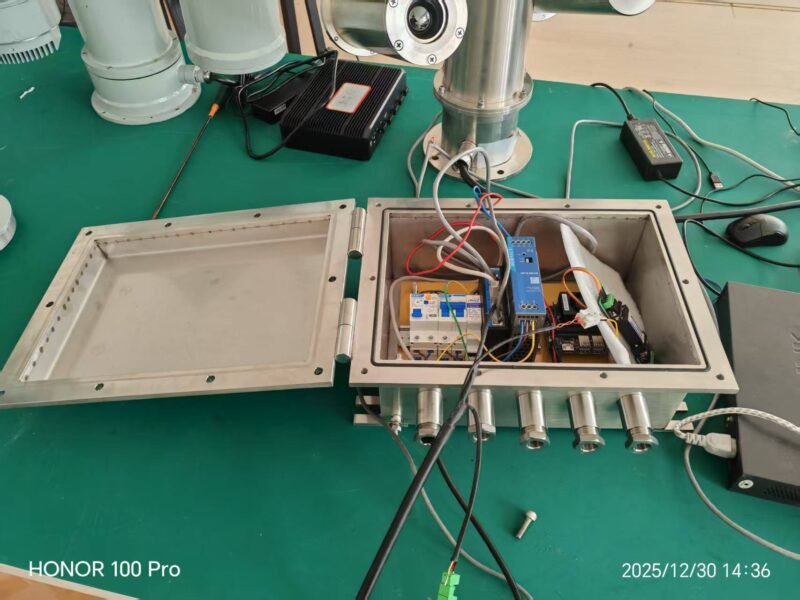
Ex d uses a flameproof enclosure that can withstand an internal explosion and prevent flame spread to the hazardous atmosphere. It suits Zone 1/2 gas and Zone 21/22 dust when power and performance need enclosure-based protection.
How Ex d applies in projects
- Use cases: Cameras, control boxes, and powered devices.
- Markings: Ex db IIC T6 Gb; Ex tb IIIC T80°C Db.
- Standards: IEC 60079-0, -1, and -31 for gases and dusts.
- Environments: Petroleum, chemical plants, ships, platforms, grain processing.
I pick Ex d when a device needs power, optics, heaters, or high data throughput. Our Ex d cameras and boxes are tested to IEC 60079-1 for flameproof integrity and IEC 60079-31 for dust. They also carry ingress protection up to IP69 for harsh washdowns and outdoor exposure. Real jobs include drilling platforms, oil depots, and gas stations where gas groups IIA, IIB, and IIC and temperature classes T1–T6 matter. I check the nameplate. Ex db IIC T6 Gb means flameproof, gas group IIC, T6 temperature class, and equipment protection level Gb. Ex tb IIIC T80°C Db extends this for dust group IIIC with a surface temperature limit. The enclosure must keep its structure, seals, and cable entries intact. I specify proper glands and torque, and I set inspection intervals. This keeps compliance strong over time.
Intrinsically Safe (Ex i): What It Means and How It Protects?
I see many plants prefer Ex i for sensors and loops. This reduces enclosure size and speeds maintenance.
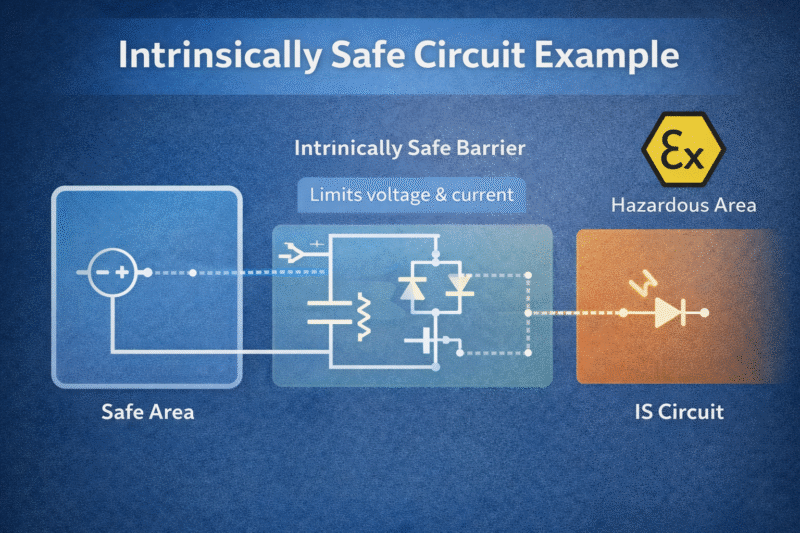
Ex i limits electrical energy so a spark or thermal effect cannot ignite the atmosphere. It best fits low-power instrumentation and control in Zone 1/2 and Zone 21/22, using barriers and simple cabling.
Where Ex i shines
- Ideal for sensors, transmitters, and handhelds.
- Uses barriers or isolators and verified entity parameters.
- Easier field work with lighter hardware.
- Lower maintenance on enclosures.
Dive deeper into Ex i trade-offs
I choose Ex i when loops are low power and the site wants easy service. Ex i reduces enclosure burdens and can cut installation costs. It needs correct barriers, certified devices, and matched entity parameters. It limits maximum voltage, current, capacitance, and inductance to keep energy below ignition levels. Staff can work live in many cases without hot work permits, which saves time. However, Ex i has power limits. Heavy loads like pan-tilt cameras or heaters often exceed Ex i capabilities. For those, I move to Ex d with certified enclosures and proper glands. I also confirm that dust environments align with Ex i design, or I add dust-rated housings as needed. This combined planning avoids surprises.
Standards and Certifications: ATEX, IECEx, NEC/CEC?
I help customers map gear to local rules first. This avoids delays later.
Our Ex d boxes meet IEC 60079-0, IEC 60079-1, and IEC 60079-31, and carry ATEX and IECEx certifications, suitable for Zones with gas and dust hazards.
How I use standards
- IEC 60079-0: General requirements.
- IEC 60079-1: Flameproof enclosures for Ex d.
- IEC 60079-31: Dust protection for Ex tb.
- ATEX and IECEx marks validate cross-region acceptance.
On global projects, I match devices to ATEX or IECEx first, then align with local acceptance. For Ex d cameras and boxes, I confirm markings like Ex db IIC T6 Gb and Ex tb IIIC T80°C Db. I then check ingress protection for the environment, such as IP66/IP68/IP69 for washdowns and outdoor exposure. I document the hazardous area zones and gas/dust groups for each site. I include device lists for petroleum plants, mines, platforms, ships, and grain processing because these environments recur often in our work. This keeps audits smooth.
Hazardous Area Classifications: Class/Division vs. Zone System?
I see confusion here in North America sites. I explain it early.
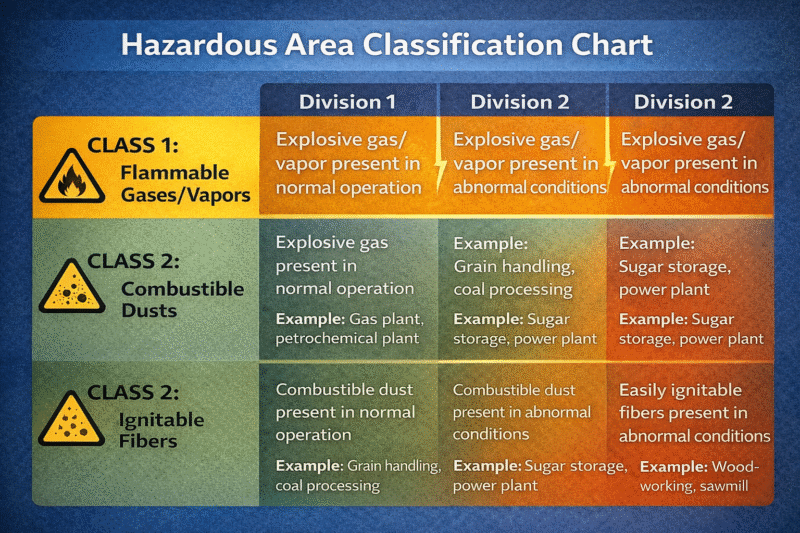
Zone system uses Zone 0/1/2 for gases and Zone 20/21/22 for dust; Class/Division uses Class I/II with Division 1/2. Our Ex d devices are rated for Zone 1/2 and Zone 21/22.
How I guide teams
- Confirm site uses Zones or Class/Division.
- Map devices to the right gas or dust group.
- Verify T-class or surface temperature.
- Use certified markings as the base.
On a drilling platform, we installed Ex d cameras with Ex db IIC T6 Gb; Ex tb IIIC T80°C Db markings for Zone 1 and 21 areas. The same logic fits refineries and grain storage with dust risks. If a site uses Class/Division, I work with the AHJ to accept IECEx/ATEX or to map to equivalent requirements. I pay close attention to T-class. T6 means low allowable surface temperature, which can be critical for IIC gases. For dust, I confirm the surface temperature limit like T80°C for IIIC dust. This avoids ignition risks.
Regional Differences in Compliance (EU, North America, China)?
I plan for certification early. That keeps timelines realistic.
ATEX and IECEx are widely accepted across EU and international projects. Our Ex d boxes carry both, and they serve typical high-risk industries with gas and dust hazards.
How I handle regions
- EU: ATEX and IECEx markings.
- International: IECEx broadly accepted.
- Local acceptance: Work with AHJ.
- Documentation: Markings, test reports, and manuals.
In North America, sites use Class/Division. I present IECEx/ATEX dossiers for acceptance and provide mapping. In China projects, I confirm local approvals and align with IEC 60079 standards. I keep records of Ex d and Ex tb markings, zones, groups, and IP ratings. For our Ex d cameras and boxes, the listed environments include petroleum, chemical plants, mines, ships, and grain processing. This scope covers most use cases we face and helps the procurement team pre-qualify gear.
Typical Applications and Device Examples?
People ask me where Ex d cameras fit best. I give clear examples.
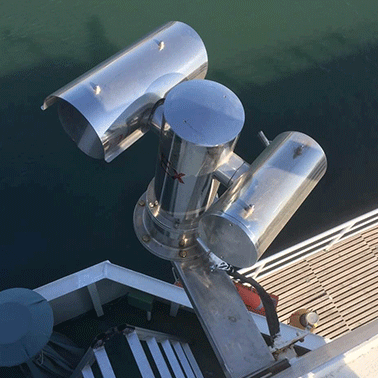
Our Ex d cameras and control boxes are used in petroleum, chemical plants, mines, oil depots, ships, drilling platforms, gas stations, fireworks plants, and grain processing and storage.
%(一定要是百分比键,而不是叹号)explosion-proof camera deployments
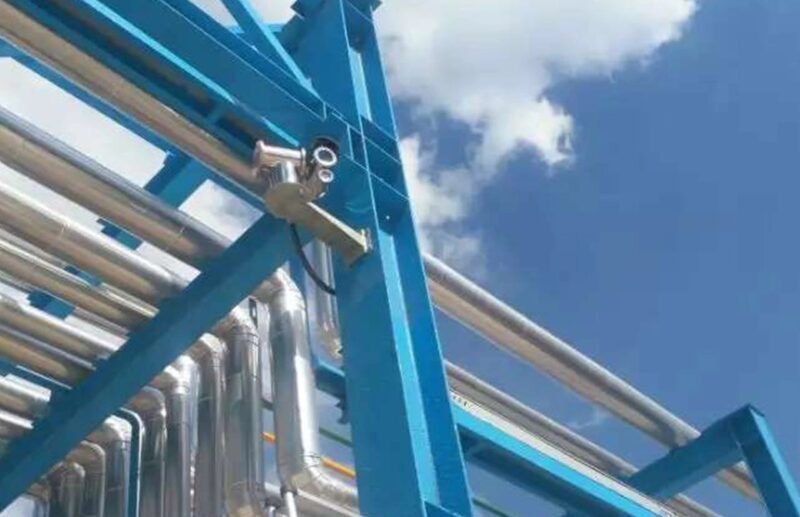
I specify models with clear markings. A bullet camera with Ex db IIC T6 Gb; Ex tb IIIC T80°C Db and IP68 handles Zone 1 gas and Zone 21 dust in outdoor sites. Many of our camera housings use 304 stainless steel for chemical and acid environments. We use special explosion-proof glass with nano coatings to repel water, oil, and dust, which supports image quality and reliability. I set power options per site, such as AC85–260V, DC 12V, or PoE, to fit plant standards. This makes deployments faster and safer.
Installation, Maintenance, and Inspection Requirements?
I treat installation rules as non-negotiable. They protect people and uptime.
Ex d needs correct cable glands, sealing, torque, and intact enclosures. Ex i needs verified barriers, matched entity parameters, and clean wiring practices.
My checklist
- Ex d: Cable glands, joints, bolts, windows, seals.
- Ex i: Barriers, loop limits, wiring separation.
- IP: Confirm IP66/IP68/IP69 where needed.
- Documentation: Markings and zones.
On Ex d installs, I check the enclosure surfaces, windows, and glands. I verify Ex db IIC T6 Gb; Ex tb IIIC T80°C Db labels and match them to the site zone and group. I confirm ingress protection against dust or water for outdoor sites, often IP66/IP68/IP69. On Ex i loops, I validate barrier models, cable lengths, and entity parameters to ensure energy stays below ignition limits. I set routine inspections for both. Ex d inspections look for physical damage or improper modifications. Ex i inspections confirm barrier health and wiring integrity. This prevents the most common compliance failures.
Cost, Size, and Lifecycle Impacts?
I balance budget with safety in every bid.
Ex d costs more in hardware and installation due to heavy enclosures and glands, but it supports high-power devices. Ex i is smaller and cheaper to install but is limited by power and signal constraints.
How I explain trade-offs
- Ex d: Higher upfront cost, supports power and optics.
- Ex i: Lower install cost, smaller footprint.
- IP and materials: Ex d with IP69 and stainless lasts outdoors.
- Lifecycle: Maintenance differs by protection concept.
In a refinery, we chose Ex d cameras due to long-distance zoom and heaters. The enclosures had Ex db IIC T6 Gb; Ex tb IIIC T80°C Db and IP68/IP69, which handled outdoor rain and washdowns [1][2]. The upfront cost was higher, but performance needs demanded it. In a storage terminal, we used Ex i sensors to cut install time and cost. They fit low-power loops well. Over time, Ex d maintenance focused on enclosure integrity, while Ex i maintenance focused on barrier health and wiring. I plan spare parts and inspection cycles around these differences.
Performance Constraints: Power, Signal, Temperature, Battery?
I start every design with power and temperature limits. This shapes everything else.
Ex d handles higher power, complex optics, heaters, and long cable runs. Ex i limits energy, so it suits low-power sensing and simple signals. Watch temperature classes like T6 or surface limits like T80°C.
What I check first
- Power budget and voltage options.
- Optics: zoom and IR needs.
- Temperature class and surface temperature.
- Dust and water ingress protection.
Dive deeper with camera cases
We deploy bullet cameras with 25x optical zoom and IR, and we keep them within Ex db IIC T6 Gb limits for gas and Ex tb IIIC T80°C Db for dust, with IP68 protection. I set power to AC, DC, or PoE based on site standards. I select windows with special explosion-proof glass and nano coatings to keep images clean in rain and oil mist. For IR distances from 20 to 50 meters, I match optics and sensors to the area. I ensure the enclosure’s surface temperature stays below limits to meet the T-class and dust specifications.
Selection Guide: Which Approach Fits Your Environment?
Teams want a simple rule. I give them one, then I check the details.
Pick Ex d for high power, optics, heaters, and demanding outdoor sites. Pick Ex i for low-power sensing and easy maintenance. Confirm zones, groups, temperature class, and IP ratings first.
My quick steps
- Define environment and zones.
- Confirm gas/dust groups and T-class.
- Map devices to Ex d or Ex i.
- Validate markings and IP.
I make a table for teams at the kickoff. It lists power needs, environment, and marking requirements. For a chemical plant, we choose Ex d cameras with Ex db IIC T6 Gb; Ex tb IIIC T80°C Db because site zones include 1 and 21 with harsh weather. We confirm IP66/IP68/IP69 for washdowns. For tank level sensors, we choose Ex i to save on install. I write the inspection plan for both concepts. This keeps everyone aligned.
Markings and Labels: Decoding Ex Ratings and Nameplates?
A marking tells a full story. I teach the team how to read it.
Ex db IIC T6 Gb means flameproof, gas group IIC, temperature class T6, equipment protection level Gb. Ex tb IIIC T80°C Db means dust protection for IIIC, surface temperature limit 80°C, level Db.
What I read on a plate
- Protection concept: db for flameproof; tb for dust.
- Group: IIC for gas; IIIC for dust.
- Temperature: T6 or T80°C limit.
- EPL: Gb or Db levels.
On site, I match these markings to the hazardous area classification. For our control boxes, the dual marking covers gas and dust. The IP66/IP68/IP69 rating supports heavy exposure and cleaning. I also verify the standard references IEC 60079-0, -1, and -31 on the documentation. This confirms test scope. Then I verify cable glands and any accessories are also certified for the same protection concept.
Common Misconceptions and Mistakes to Avoid?
I have seen shortcuts fail audits. We avoid them with simple habits.
Do not mix uncertified accessories with Ex d enclosures. Do not exceed Ex i entity parameters. Do not ignore IP and temperature limits for outdoor and dust areas.
What I warn teams about
- Wrong glands on Ex d boxes kill compliance.
- Overpowering Ex i loops breaks safety.
- Ignoring dust surface temperature risks.
- Skipping routine inspections.
I standardize the BOM with certified glands, windows, and seals for Ex d. I review Ex i barriers and loop parameters before install. I require an inspection plan. In dusty sites, I pick Ex tb IIIC T80°C Db devices and confirm surface temperatures. I check IP ratings against the environment, using IP69 when washdowns are frequent. These steps prevent the most common failures we see.
FAQs: Explosion-Proof vs. Intrinsically Safe?
Clients ask me these every month. I keep answers short and direct.
Can I use Ex d cameras in Zone 1 and Zone 21? Yes, with Ex db IIC T6 Gb; Ex tb IIIC T80°C Db markings and the right IP rating.
Quick answers
- Can Ex i power a zoom camera? Usually no. Use Ex d for higher power and optics.
- Are ATEX and IECEx accepted globally? Often yes. Check local regulations and AHJ.
- Which industries use Ex d cameras? Petroleum, chemical, mines, ships, platforms, and grain storage.
- What do IP66/IP68/IP69 mean for Ex d? Strong dust and water protection, including immersion and washdowns.
Conclusion
Ex d contains risk with robust enclosures; Ex i prevents ignition with low energy. Choose by power, environment, and compliance.