Dust Explosion Zones 21/22: what should I know before installing cameras?
The wrong camera in dust Zones 21/22 can fail, cause risk, or miss alarms. I help clients avoid that.
Dust Zones 21 and 22 define how often combustible dust is airborne. Zone 21 means frequent presence during normal operations; Zone 22 means dust present only occasionally. Both require sealed, certified equipment to prevent ignition.
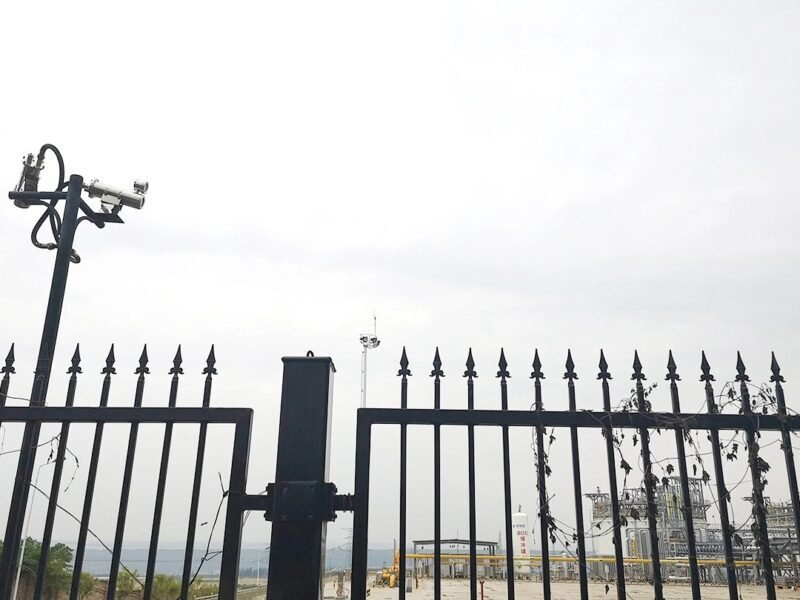
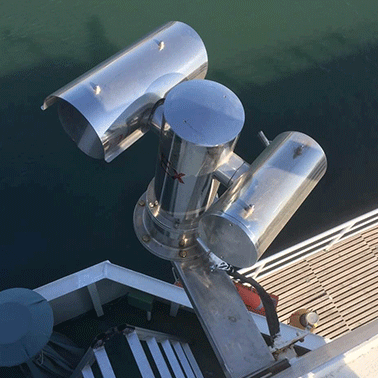
%Explosion-proof camera in dust zone
I work with mills and plants that have dust risk. I see how one small choice can change safety. I want to share what I learned in simple steps. I will show how to classify dust, choose cameras, place them, clean them, and use analytics for smoldering. I will also give a checklist and answer top questions. I will close with a way to send me your map for free placement advice.
Dust classification and ignition risks: how do I judge the hazard?
Dust can explode, blind cameras, and corrode parts. Many teams guess. Guessing can be costly.
Classify dust by type, size, and moisture. Check MIE, MEC, Kst, and Pmax from lab tests or supplier data. Use these to define Zones 21/22, set ignition controls, and guide enclosure selection and lens maintenance.
I start with samples. I ask for product sheets and test data. I look at particle size, moisture, fiber content, and conductivity. I check minimum ignition energy (MIE), minimum explosible concentration (MEC), explosion severity (Kst), and maximum pressure (Pmax). I then map process steps to dust presence. I mark areas with continuous or frequent dust clouds as Zone 21. I mark areas with occasional clouds as Zone 22. I match equipment categories to zones to reduce ignition risk. I also look at hot surfaces, static build-up, and mechanical sparks.
Key dust parameters and what they mean
| Parameter | What it means | Why it matters for cameras |
|---|---|---|
| MIE | Energy needed to ignite dust | Controls ESD risks, anti-static coatings, grounding |
| MEC | Lowest dust concentration to explode | Drives purge systems and airflow limits |
| Kst | Explosion severity index | Guides enclosure strength and siting away from vents |
| Pmax | Max pressure in a dust explosion | Guides housing integrity and mounting |
| Resistivity | Dust conductivity | Impacts static, cleaning method, and window choice |
Zone definitions in practice
- Zone 21: packaging near baggers, inside bucket elevators, dust collectors, filter rooms.
- Zone 22: perimeters of silos, transfer points, floor-level areas around conveyors.
- My rule: if dust appears during normal work, treat it as Zone 21. If dust appears only after a fault or short event, treat it as Zone 22.
Camera selection for dust (IP sealing, heating, wipers): what should I pick?
Cameras fail in dust when seals leak, windows fog, or lenses cake. I fix this with the right build.
Choose ATEX/IECEx dust-certified cameras, at least Ex tb IIIC with IP66/67 or IP6K9K sealing. Add window heaters, hydrophilic coatings, air purge, and wipers. Select stainless housings and cable glands rated for dust.
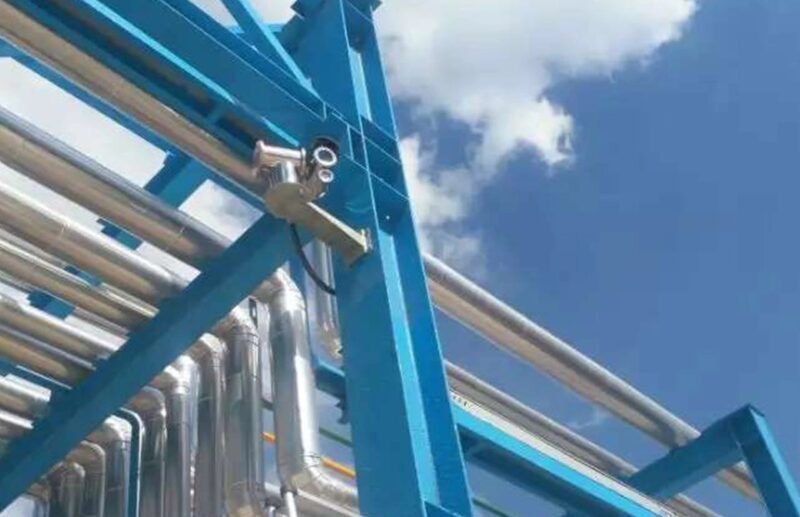
%Explosion-proof dome with wiper
I start with certification. For dust, I look for “D” marking: Category 2D for Zone 21, 3D for Zone 22, or Ex tb IIIC with the correct surface temperature class. I pick housings with deep gaskets and double O-rings. I prefer IP66/67 or higher. I add heaters to prevent condensation. I use hydrophilic or anti-static window coatings to limit sticking. I add a wiper or an air knife when build-up is heavy. I choose stainless steel 316L for caustic dust. I pick cable glands with dust approval. I select PoE where possible to reduce penetrations.
Selection checklist
| Feature | Minimum | Preferred in heavy dust |
|---|---|---|
| Certification | Ex tb IIIC, Zone 21/22 | ATEX/IECEx 2D, temperature class per dust |
| Sealing | IP66/67 | IP6K9K, double O-rings |
| Window | Borosilicate with coating | Sapphire, anti-static + hydrophilic |
| Cleaning | Manual | Wiper + air purge |
| Heating | On-window heater | PID-controlled anti-fog |
| Material | 304 SS | 316L SS |
| Cabling | Dust-rated glands | Fewer penetrations, PoE |
| Optics | Fixed lens with guard | Motorized zoom with curtain guard |
Placement in mills, silos, conveyors, bagging: where should I mount cameras?
Good placement stops faults and keeps images clear. Bad placement creates blind spots and grime.
Place cameras outside direct dust plumes, above head height, and offset from vents. Use angled views to cover belts, chutes, and baggers. Keep safe distance from relief panels and vibration sources.
%Camera placement near conveyor
I walk the line. I watch the dust flow. I stand near transfer points and see where dust blooms form. I avoid mounting right in that cloud. I offset cameras by one to two meters and angle across the flow. I mount above head height to reduce blasts and cleaning knocks. I keep clear of explosion vents. I avoid heavy vibration points. I use rigid brackets. I plan cable routes away from chutes. I test the view with operators before drilling.
Placement guidelines by area
| Area | Best position | Why | Extra tip |
|---|---|---|---|
| Mills | Side wall, 2–3 m high, angled to feed | Avoid direct plume | Add heater to stop flour fog |
| Silos | Outside hatch, sight to inlet/outlet | Keep out of confined dust | Use purge air from instrument air |
| Conveyors | Offset from transfer point, 1–2 m away | Reduce dust strike | Aim for belt edge and chute |
| Bagging | Upper corner, wide FOV to scales | Cover operator and bag seal | Add wiper for shift dust |
My field rule
- If you can feel dust on your face, move the camera back.
- If you hear the belt knock the bracket, shift to a stiffer mount.
- Always check the relief panel path and keep clear.
Cleaning/maintenance and window materials: how do I keep the window clear?
Dirty windows kill image quality fast. Over-cleaning can scratch windows and break seals.
Use a maintenance plan: daily visual checks, weekly wipe with approved cloth, monthly deep clean. Choose sapphire or coated borosilicate windows. Add air purge and wiper in heavy dust. Ground the housing to cut static.
I set simple routines. I ask operators to check clarity at each shift. I add a weekly soft wipe with lint-free cloth and neutral cleaner. I avoid abrasives. I log the window state. If dust is sticky, I add a low-flow air purge. If dust cakes, I add a wiper and schedule wipe cycles. I pick sapphire windows where abrasion is high. I use borosilicate with an anti-static and hydrophilic coat if budget is tight. I ground the housing to reduce static. I keep spare windows and seals on site.
Maintenance plan and materials
| Task | Frequency | Method | Notes |
|---|---|---|---|
| Visual check | Each shift | Look for haze, drops, cracks | Note and report |
| Soft wipe | Weekly | Lint-free cloth, pH-neutral | No alcohol on coatings |
| Deep clean | Monthly | Approved spray, gentle rinse | Inspect seals |
| Wiper test | Weekly | 3 cycles | Replace blade if streaks |
| Purge check | Weekly | Verify flow and filter | Keep dry air |
| Seal inspection | Quarterly | Check O-rings | Replace if flat |
Window material choices
- Sapphire: best scratch resistance, higher cost, ideal for grain, cement, sugar.
- Borosilicate: good balance, lower cost, use with coatings.
- Germanium: for thermal windows only, needs protective shield and careful cleaning.
Case snippet: smoldering detection with analytics: can cameras catch hot spots early?
Operators often smell smoke too late. Cameras with analytics can see heat before flame.
Use thermal cameras certified for dust with smoldering analytics. Monitor chutes, filters, and silos. Set alarms for rising temperatures and hotspots. Integrate with PLC for interlocks and sprays.
%Thermal view of smoldering dust
I ran a pilot in a feed mill. We mounted an Ex-certified thermal camera near a cyclone outlet and a baghouse hopper. We set zones in the analytics for normal material and for hot spots. We used a temperature rate-of-change alert and an absolute threshold. We linked the alarm to the plant PLC. The system triggered the deluge valve and stopped the feeder when a hotspot appeared. We caught smoldering in the hopper twice in the first month. The team avoided a flare-up and reduced downtime.
How I set the analytics
| Step | Action | Reason |
|---|---|---|
| Define zones | Inlet, hopper, chute | Tailor thresholds |
| Baseline | Record normal temps | Avoid false alarms |
| Thresholds | Absolute + rate | Catch slow smolder |
| Mask movement | Ignore transient passes | Reduce noise |
| Integrate | PLC interlocks | Fast response |
| Test | Simulate with heat packs | Validate logic |
Submit workshop map for placement advice: can I get help without a site visit?
You may not have time for a survey. You still can get reliable placement advice.
Send me a simple workshop map, photos, and short videos of dust points. I will mark camera placements, cable routes, and hazard zones. I provide this at no cost for first-time clients.
I ask for a floor plan, even a hand sketch. I need area names, process steps, and dust sources. I ask for short phone videos showing plumes, vents, and belt transfers. I check heights, clearances, and operator paths. I then place cameras, show angles, and mark bracket types. I give cable routes and gland specs. I label Zone 21 and Zone 22. I list window options and cleaning plans. I deliver a PDF and a call to review. This saves time and reduces mistakes.
What to include in your submission
- Floor plan with scale and process flow.
- Photos of mills, silos, conveyors, baggers.
- Notes on dust periods and cleaning schedule.
- Power and network points.
- Safety zones, relief panels, and access paths.
Asset: Zone 21/22 placement checklist: can I use a quick list on site?
You need a fast, clear checklist to avoid common errors. I use one daily.
Use a one-page checklist for Zone 21/22: classification, certification, sealing, window, placement, purge/wiper, grounding, cable glands, and maintenance plan.
I keep this checklist on my phone and in my bag. I go line by line on site. I share it with operators and installers. It keeps the team aligned. It prevents small misses that turn into big problems.
Zone 21/22 camera placement checklist
| Item | Check | Pass/Fail |
|---|---|---|
| Zone defined (21/22) | Map dust presence | |
| Certification | Ex tb IIIC, Category 2D/3D | |
| Surface temp | Matches dust ignition limits | |
| Sealing | IP66/67 or higher | |
| Window | Sapphire or coated borosilicate | |
| Mount | Offset from plumes and vents | |
| Vibration | Stiff bracket, no belt contact | |
| Cleaning | Wiper, purge, plan in place | |
| Grounding | Bonded to plant earth | |
| Cabling | Dust-rated glands, PoE preferred |
FAQs: Do I need different certifications for dust? How to keep lenses clean? Thermal use?
Most teams ask the same three questions. I answer them straight.
Dust needs “D” certification like Ex tb IIIC with Category 2D/3D. Keep lenses clean with soft wipes, purge air, and wipers. Thermal is fine if the camera and window are dust-certified.
I always separate gas and dust. Gas needs “G”; dust needs “D”. For Zone 21, choose Category 2D. For Zone 22, choose Category 3D. For thermal, use Ex-certified housings and germanium windows designed for dust. For cleaning, avoid abrasive pads. Use anti-static coatings and grounding. Use purge air when dust is constant. Use wipers when dust cakes. Set maintenance intervals and stick to them.
Conclusion
Dust zones need the right classification, certified cameras, smart placement, and steady cleaning. I help you apply each step with simple, proven actions.
My Role
About me
Brand Name: ExVizo
Slogan: Your Vision of Safety in Hazardous Areas
Website: www.ExVizo.com
Our Mission:
ExVizo specialize in designing and manufacturing explosion-proof camera systems engineered for the most demanding industrial environments.

About me:
ExVizo is an integrated manufacturer of explosion-proof cameras, combining in-house R&D, production, and global sales.We specialize in ATEX/IECEx-certified solutions with full customization to meet diverse industrial requirements.Backed by advanced manufacturing and rigorous testing, we deliver reliable, cost-effective monitoring for hazardous environments worldwide.
About him/her
Age: 36
Name:Kevin
Education: Kevin is an Overseas Sales Manager at ExVizo. With 7 years of experience at ExVizo and a strong background in industrial security solutions, he specializes in providing professional explosion-proof camera solutions tailored to customer needs. At 36, Kevin combines technical understanding with practical market insight to support clients throughout the entire project lifecycle.