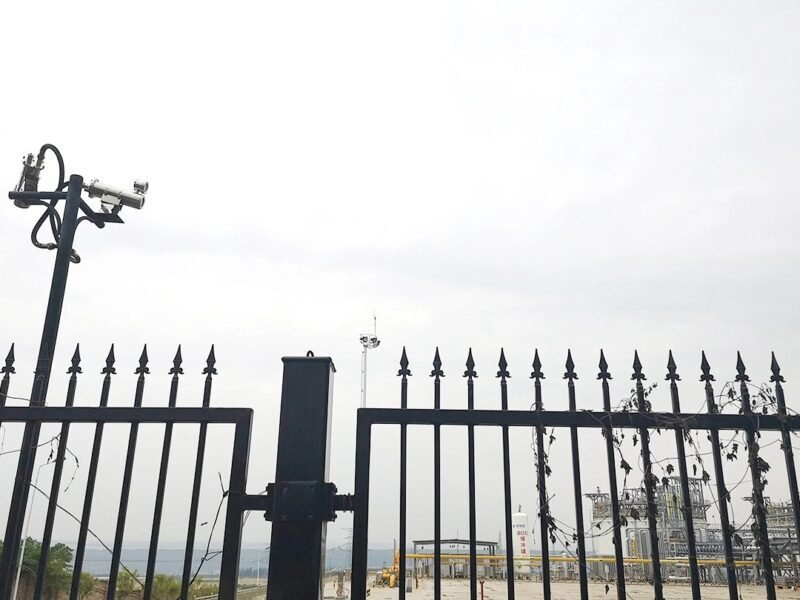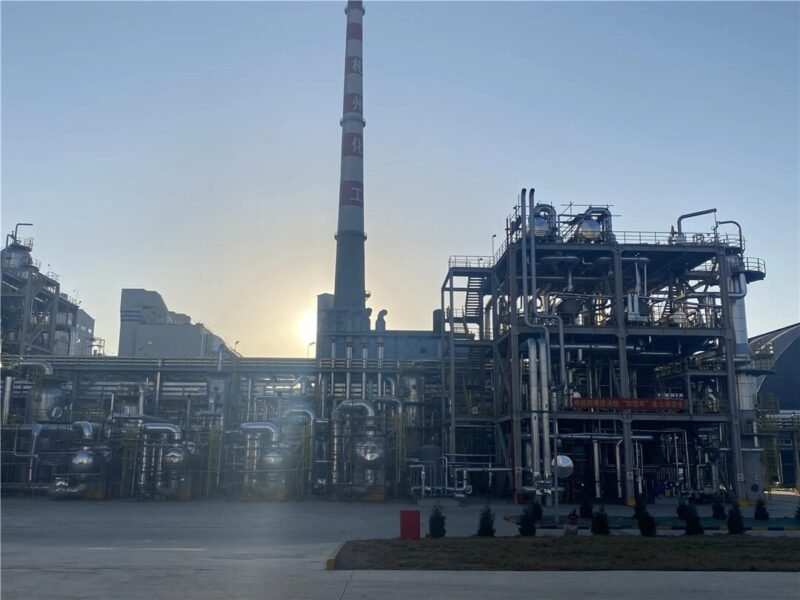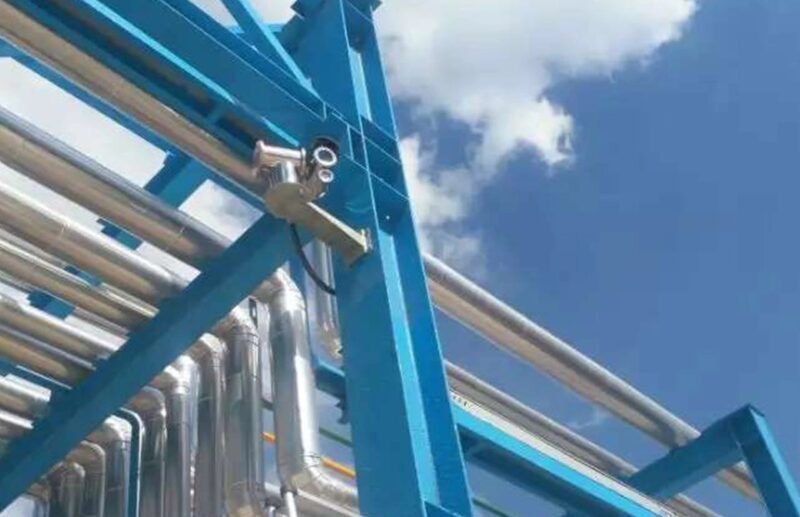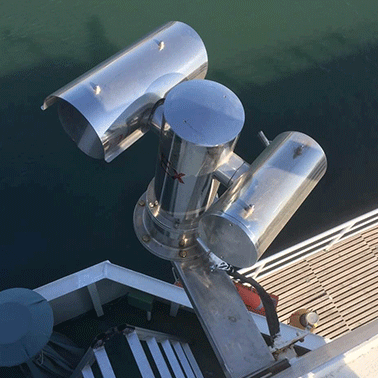
Oil & Refining: Selection and Coverage Guide?
I see risk every day in refineries, and cameras can cut it fast when chosen and planned right.
Explosion-proof cameras serve operators, maintenance, safety teams, and emergency response in areas with flares, pumps, VOC releases, and dust. Choose certified, corrosion-resistant systems with smart capture, alarms, and wipers to keep vision clear when it matters most.
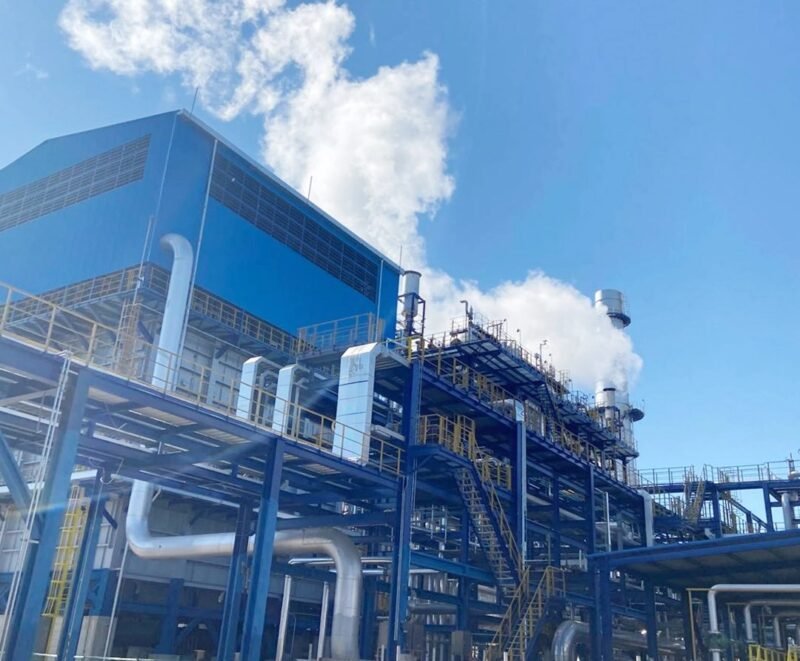
I work with clients who manage complex sites. They ask for simple steps that lead to safe, reliable views. I guide them from zoning to optics, to wiring, to integration, to maintenance. I use field stories to explain choices. Then I show how each choice protects uptime and people.
Who this is for and typical risks (flares, pumps, VOCs)?
Problems grow fast near flares, pumps, compressors, loading racks, and tank farms. I help people see them early.
This guide helps plant operators, process engineers, and HSE teams monitor hot zones, leaks, ignition sources, and dust hazards with explosion-proof cameras built for gas and dust atmospheres, corrosion, and harsh weather.
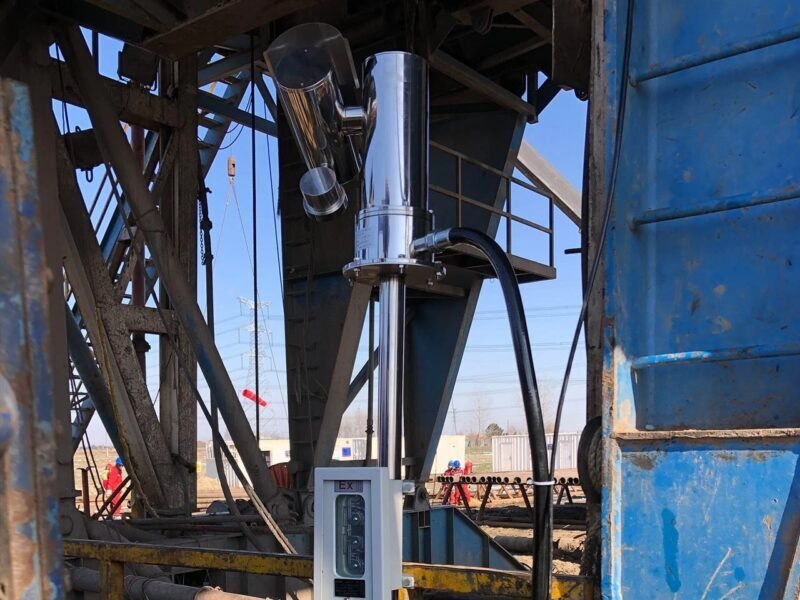
Why explosion-proof video fits refinery risk
- Gas groups IIA/IIB/IIC and dust zones 21/22 demand certified housings and windows that do not ignite atmospheres.
- Nano-coated, explosion-proof glass keeps the view clear in oil mist, water, and dust.
- Wide voltage, PoE options, and lightning protection improve resilience near high-energy equipment.
| Risk area | Typical hazard | Camera features that help |
|---|---|---|
| Flares/combustion | Heat, VOCs, glare | Wide dynamic, nano-coated window, corrosion-resistant 304/316L stainless |
| Pumps/valving | Leaks, vibration | Event capture, alarm I/O, ONVIF integration |
| Loading racks/tanks | Ignition sources | Ex db IIC T6 Gb/Ex tb IIIC T80℃ Db marking |
| Dust handling | Combustible dust | Dust zone 21/22 suitability, sealed window |
Zone classification basics for refineries (Zone 0/1/2; T-class)?
Hazard zones define what gear can go where. I always start here.
Use equipment marked Ex db IIC T6 Gb for gas zones and Ex tb IIIC T80℃ Db for dust zones; these markings align with Zone 1/2 gas and Zone 21/22 dust areas in typical refinery contexts. They suit IIA/IIB/IIC gas groups and T1–T6 ranges.
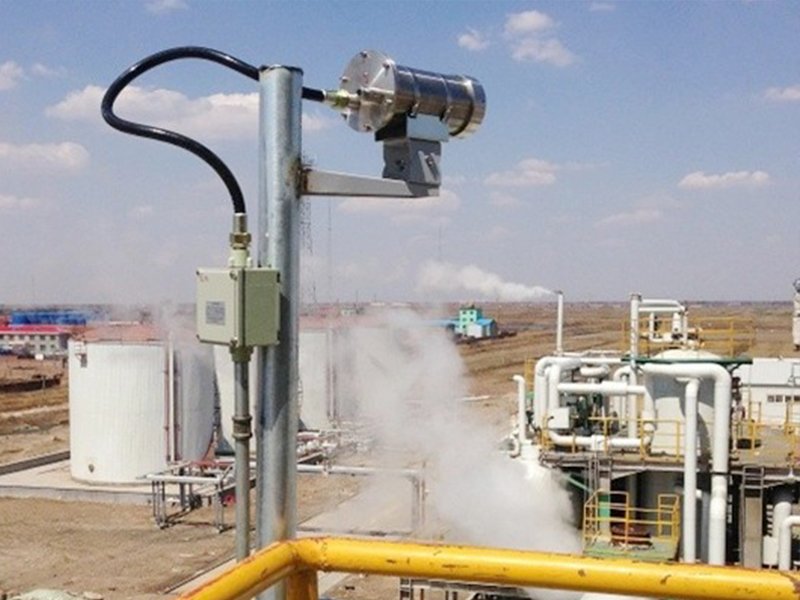
How I match zones to camera markings
- Gas: Zone 1/2 with IIA/IIB/IIC require Ex db IIC T6 Gb housings; T6 indicates low max surface temperature.
- Dust: Zone 21/22 require Ex tb IIIC T80℃ Db enclosures; tight sealing and tested windows matter.
- I check site drawings and tie each location to the right Ex code and temperature group.
| Zone | Atmosphere | Typical marking |
|---|---|---|
| Zone 0 | Continuous gas | Usually not for camera installs |
| Zone 1 | Frequent gas | Ex db IIC T6 Gb |
| Zone 2 | Occasional gas | Ex db IIC T6 Gb |
| Zone 21 | Frequent dust | Ex tb IIIC T80℃ Db |
| Zone 22 | Occasional dust | Ex tb IIIC T80℃ Db |
Camera selection criteria (certifications, materials 316L, optics, thermal)?
Bad selection costs more later. I pick parts that survive and see clearly.
Select cameras with Ex db IIC T6 Gb/Ex tb IIIC T80℃ Db markings, IP68 rating, 304/316L stainless steel enclosures, explosion-proof nano-coated windows, and optics like 1/2.8″ CMOS with 3–12 mm lens and 4x optical zoom. H.264/H.265 and wide dynamic range improve video.
What I check before I approve a model
- Certifications: Ex markings and IP68 sealing, with test reports.
- Materials: 304/316L stainless steel for acids, alkali, and salt.
- Optics: 1/2.8″ CMOS, F1.6–F3 aperture, 3–12 mm lens, 4x optical zoom, 108.6–32° FOV.
- Imaging: Low illumination performance and H.265/H.264 encoding.
- Window: Explosion-proof glass with nano treatment to resist water, oil, dust.
| Item | Minimum spec I use | Why it matters |
|---|---|---|
| Ex marking | Ex db IIC T6 Gb / Ex tb IIIC T80℃ Db | Legal compliance |
| Material | 316L preferred | Corrosion resistance |
| Optics | 1/2.8″ CMOS, 3–12 mm lens | Versatile coverage |
| Rating | IP68 | Dust/water sealing |
| Window | Nano-coated explosion-proof glass | Clear vision |
Coverage planning (PTZ vs fixed, FOV, mounting heights)?
Coverage drives outcomes. I map views to tasks and hazards.
Use fixed bullets for defined zones and PTZ for large areas and patrols; a 3–12 mm lens delivers 108.6–32° wide-to-tele FOV for flexible framing. Pair patrols and presets with event capture to monitor rounds and incidents.
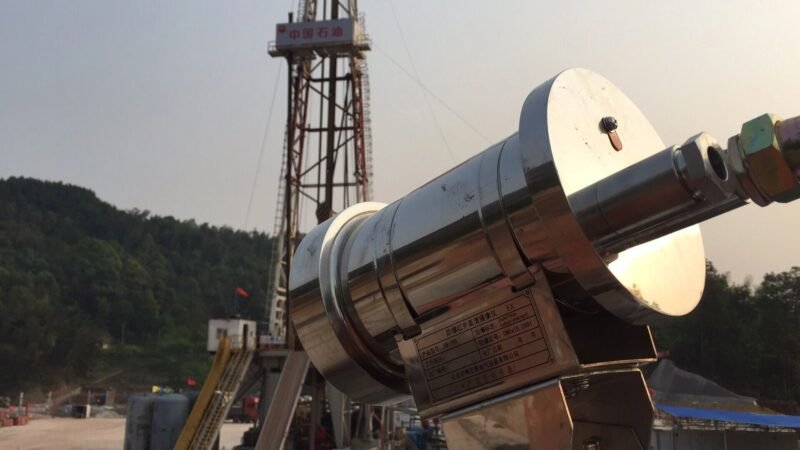
How I plan lines of sight
- Fixed cameras watch pumps and valves; PTZ covers racks, pipe alleys, and flare perimeters with presets and cruise.
- I match lens FOV to distance and hazard, using optical zoom to reach details.
- I place mounts to reduce glare and keep the window clear; presets lock repeat views.
| Use case | Camera type | Settings |
|---|---|---|
| Pump bay | Fixed bullet | 6–8 mm lens, steady view |
| Tank farm lanes | PTZ | Presets, cruise, event capture |
| Flare area | Fixed + PTZ | Wide dynamic, strong materials |
Power/network (PoE, fiber, IS barriers; redundancy)?
Power and links fail first. I build simple, tough networks.
Use wide voltage AC85–260V with options for DC12V or PoE to match existing feeds. Add 4 kV lightning protection on network and 2 kV on power where available. Place intrinsic safety barriers according to zone rules and tie PoE/fiber to redundant paths.
My wiring rules on site
- Prefer PoE in safe areas and fiber to span long runs; place barriers at boundaries as required.
- Use built-in surge and lightning protection to handle induced energy near motors.
- Keep local SD storage for short-term buffering.
| Element | Spec | Benefit |
|---|---|---|
| Power | AC85–260V, DC12V, PoE | Flexibility |
| Protection | 4 kV net, 2 kV power | Resilience |
| Storage | Up to 256 GB SD | Incident backup |
Integration with VMS/SCADA and alarm workflows?
Integration makes video actionable. I wire video to workflows.
Enable ONVIF for VMS compatibility; use alarm inputs/outputs for pump trips or gas detectors; apply timed and event capture; and use one-click watch and cruise for patrol routines in operations. These features support both monitoring and evidence retention.
How I turn feeds into actions
- Map alarm I/O to DCS or SCADA notifications.
- Use presets and cruise to automate rounds for operators.
- Store snapshots on SD while streaming to VMS for reliability.
| Function | Setting | Purpose |
|---|---|---|
| ONVIF | Enabled | VMS interoperability |
| Alarm I/O | Linked | Event-driven response |
| Capture | Timed + event | Evidence and analysis |
Maintenance and corrosion strategy (salt spray, H2S)?
Corrosion kills cameras. I plan for it from day one.
Use 304/316L stainless steel in acid, alkali, salt, and H2S areas; select nano-treated explosion-proof glass; and choose models with intelligent wipers for oil mist and dust removal. These features extend service life and keep images usable.
What I do on harsh sites
- Pick 316L for stronger chloride resistance; use nano glass to reduce manual cleaning.
- Use intelligent wipers that match automotive durability for easy replacement and clear windows.
- Plan routine inspections tied to process shutdowns to avoid surprises.
| Item | Feature | Why |
|---|---|---|
| Housing | 304/316L stainless | Corrosion resistance |
| Window | Nano-coated glass | Keeps view clean |
| Wiper | Intelligent, car-grade | Clears deposits |
Compliance documents checklist (ATEX/IECEx, test reports)?
Paperwork proves trust. I ask for it before I ship.
Collect device Ex markings Ex db IIC T6 Gb/Ex tb IIIC T80℃ Db, IP68 rating, lightning protection details, material specs (304/316L), and feature sheets showing ONVIF, alarm I/O, capture modes, and storage capacity. Keep test reports in the project file.
My compliance pack for clients
- Ex markings and zone applicability sheets.
- IP and surge protection ratings.
- Materials and window treatment statements.
- Integration capability (ONVIF, I/O, SD).
| Document | Evidence |
|---|---|
| Ex markings | Ex db IIC T6 Gb / Ex tb IIIC T80℃ Db |
| IP rating | IP68 |
| Materials | 304/316L stainless |
| Features | ONVIF, alarm I/O, capture, SD |
ROI case snippet (unplanned downtime reduction)?
Uptime pays the bills. Video helps prevent small issues from becoming shutdowns.
By combining PTZ patrols, event capture, alarm linkage, and corrosion-resistant builds, clients spot leaks and anomalies early, avoid line trips, and cut unplanned downtime; wide voltage and surge protection keep cameras online during disturbances. Local SD storage ensures evidence is kept even if links drop.
What we saw in the field
- Operators used one-click cruise to scan pump alleys and caught seal weeps before failure.
- Alarm I/O linked events to the control room, so intervention was fast.