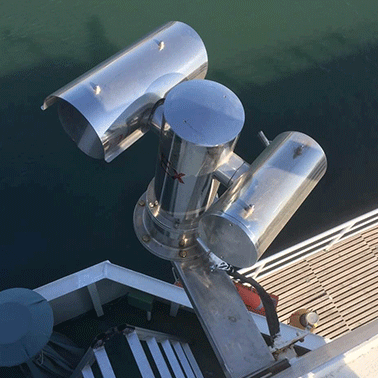
Selection Guide: How to Choose the Right Explosion-Proof Camera?
I face hazards that can ignite fast. I choose certified cameras that fit the zone, the process, and the environment to keep people safe.
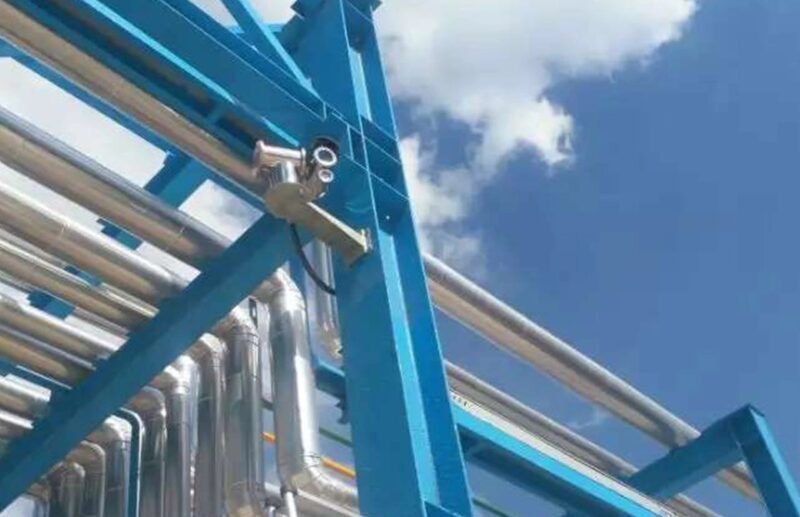
An explosion-proof camera is a certified device in a flameproof or dust-tight housing that prevents ignition of flammable gas or dust in hazardous areas. Typical markings include Ex db IIC T6 Gb and Ex tb IIIC T80℃ Db.
I start with the process risk and the classified area. I then map the required certification, sensor, lens, and network. I finish with VMS checks and maintenance planning.
What Is an Explosion-Proof Camera?
Hazards vary across sites. A spark can start a fire or blast.
An explosion-proof camera uses a certified enclosure. It carries markings like Ex db IIC T6 Gb for gas and Ex tb IIIC T80℃ Db for dust, and it often has IP68 ingress protection.
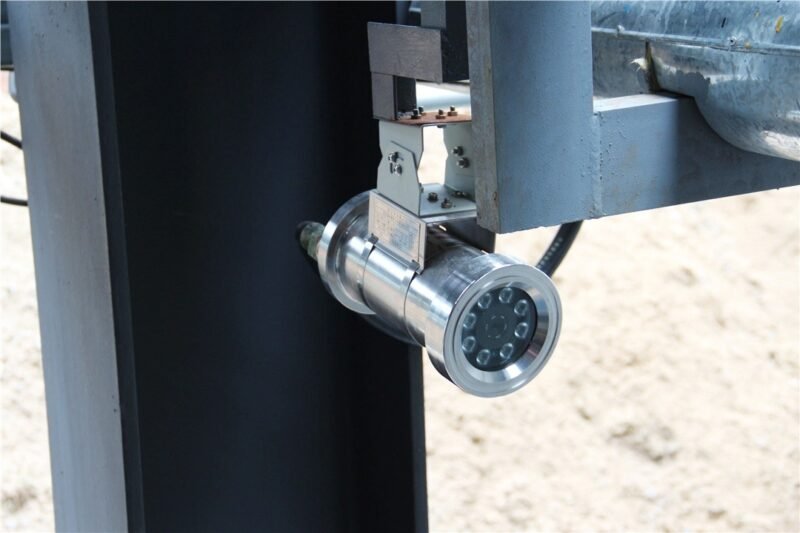
I check the explosion-proof mark first. “Ex db IIC T6 Gb” tells me it is flameproof (db), suitable for gas group IIC, with temperature class T6, and equipment protection level Gb. “Ex tb IIIC T80℃ Db” tells me it is protected for dust (tb), dust group IIIC, with a max surface temperature of 80°C, and EPL Db. I verify the device also meets environmental sealing. Many models list IP68 for dust and water protection, which helps in outdoor or washdown areas. I confirm imaging specs like sensor size (often 1/2.8″ CMOS), resolution (4MP or 5MP), IR support, and day/night ICR to keep visibility around the clock. I look for multi-stream encoding and H.265/H.264 support to balance bandwidth and quality. This base profile sets my expectations before I match the camera to real site needs.
Specs snapshot table
| Attribute | Typical Value | Why it matters |
|---|---|---|
| Gas marking | Ex db IIC T6 Gb | Flameproof for high gas risk |
| Dust marking | Ex tb IIIC T80℃ Db | Dust ignition control |
| Ingress | IP68 | Dust/water sealing |
| Sensor | 1/2.8″ CMOS | Good sensitivity |
| Resolution | 4MP/5MP | Clear detail |
| IR/day-night | ICR + IR | 24/7 imaging |
Hazardous Area Ratings and Certifications (ATEX, IECEx, UL)?
I trust certification. It reduces doubt and speeds approvals. It also proves the device fits the zone and atmosphere.
I choose cameras that hold ATEX and IECEx with clear “Ex db IIC T6 Gb / Ex tb IIIC T80℃ Db” markings. For North America, I map these to Class I/II Division or Zone systems and match the site classification.
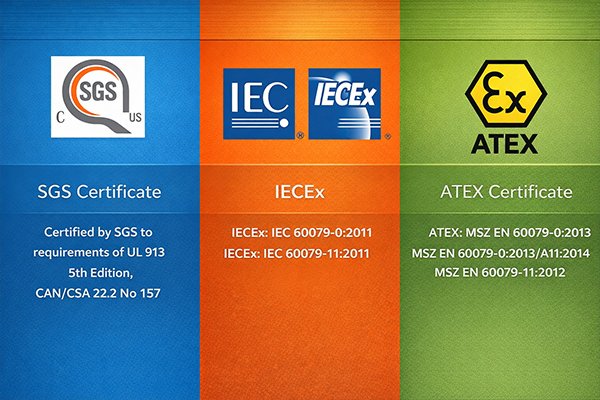
Many models show “double explosion-proof certification” with ATEX and IECEx, plus explicit markings for gas and dust groups, temperature classes, and EPL levels. The gas group “IIC” covers hydrogen and acetylene, which are the highest risk in typical industry. T6 limits surface temperature to reduce ignition risk . Dust marking “IIIC” covers conductive dusts with strict temperature control, such as 80°C surface limits in the stated example. I also check ingress IP68 to ensure sealing during harsh washdowns or outdoor rain. While UL/Class Div is not listed in the references, I make sure the ATEX/IECEx scope maps to the plant’s hazardous area classification. I then document the exact marking in the project files to satisfy EHS and auditors.
Certification mapping table
| Scheme | Example marking | Atmosphere | Note |
|---|---|---|---|
| ATEX/IECEx | Ex db IIC T6 Gb | Gas | Flameproof, high gas group |
| ATEX/IECEx | Ex tb IIIC T80℃ Db | Dust | Dust-tight, temp limited |
| Ingress | IP68 | Environmental | Water/dust resistance |
Key Selection Criteria: Sensor, Lens, and Low-Light Performance?
Low light and motion create blind spots. I pick sensors and lenses that hold detail through the night.
I look for 1/2.8″ CMOS, 4MP or 5MP resolution, starlight sensitivity down to 0.001 Lux color and 0.0005 Lux B/W, ICR day/night, and IR range suitable for the site.
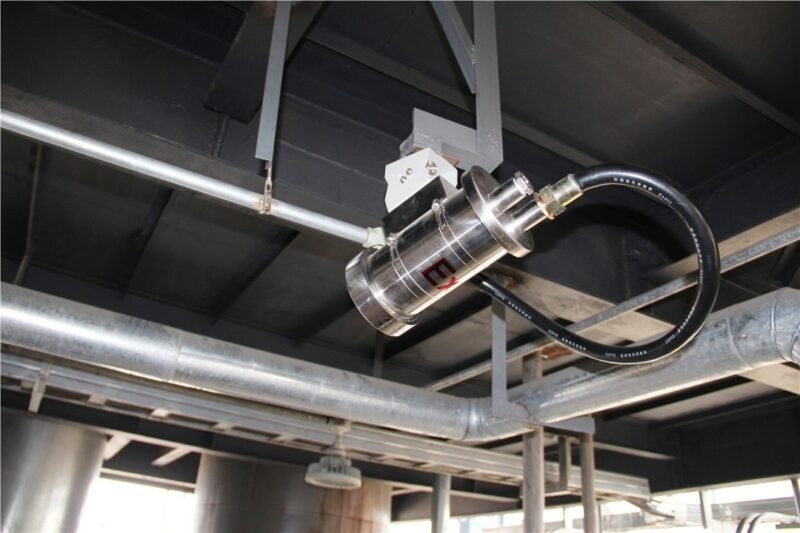
I match resolution to scene detail. 4MP at 2560×1440 with 30fps is common and offers clear images without huge bandwidth. I value starlight specs like 0.001 Lux (color) and 0.0005 Lux (B/W) because many plants run in low light. I insist on ICR for clean day/night switching and true color by day. I choose lens focal length for coverage. Options include fixed 4mm for wide views and variable 3–12mm or 25× optical for reach across tank farms or pipe racks. I check IR distance. Models list 50–100 meters, which helps in open yards or long bays. I add wide dynamic range, 120 dB, to handle backlit process areas and flare stacks. I enable 2D/3D noise reduction and electronic stabilization to keep images clean when vibration occurs.
Imaging selection table
| Feature | Reference spec | Use case |
|---|---|---|
| Sensor | 1/2.8″ CMOS | Balanced sensitivity |
| Resolution | 4MP/5MP | Detail vs bandwidth |
| Starlight | 0.001 Lux / 0.0005 Lux | Night visibility |
| Lens | 3–12mm or 25× zoom | Flexible coverage |
| IR | 50–100 m | Long night reach |
| WDR | 120 dB | Backlight control |
Housing, IP/NEMA Protection, and Temperature Ratings?
Heat, dust, and washdowns hurt cameras. I select housings and sealing that stand up to the site.
I use IP68-rated devices with flameproof or dust-tight protection. I confirm the surface temperature class, like T6 or T80°C, and add heaters or defoggers when needed.
The explosion-proof marking sets ignition safety. Ex db IIC T6 Gb defines flameproof construction for gas with strict temperature limits. Ex tb IIIC T80℃ Db defines dust protection with a surface temperature cap of 80°C. IP68 gives dust-tight and water-resistant sealing, which I rely on in outdoor plants and cleandowns. I match lens windows and seals to chemicals on site. I pick housings that tolerate corrosion and cleaning. I plan for thermal drift by adding sun shields or internal heaters near cold areas. I confirm the operating temperature in the data sheet and align with the enclosure heat rise. I document the rating and sealing plan for audits.
Protection table
| Protection | Marking/spec | Purpose |
|---|---|---|
| Flameproof gas | Ex db IIC T6 Gb | Contain ignition |
| Dust protection | Ex tb IIIC T80℃ Db | Limit hot surfaces |
| Ingress | IP68 | Dust/water seal |
Power and Connectivity Options (PoE, Wi‑Fi, 4G/5G, Fiber)?
Power and bandwidth shape reliability. I pick simple, safe links that fit the hazard.
I use PoE for short runs and fiber for long or noisy paths. I rely on H.265/H.264 multi-stream encoding to scale bandwidth. I avoid Wi‑Fi in classified zones unless engineered.
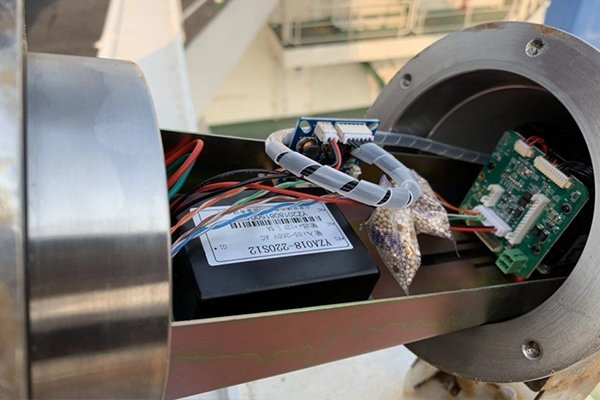
The cameras support H.265/H.264/MJPEG and three-stream technology with independent resolution and frame rate per stream. This lets me tune one high-quality stream for archive and one lower stream for live walls. I pair PoE with surge protection. I select fiber to bypass electrical noise near inverters or substations. I set bitrates between 32 Kbps and 16 Mbps depending on scene complexity, as listed in some specs. I avoid wireless inside hazardous zones unless approved devices and cabinets are used. I choose optical zoom for remote sites to reduce visits. I check motion detection to trigger event clips and save bandwidth.
Connectivity table
| Option | Support in refs | When I use it |
|---|---|---|
| PoE | Common practice | Short, simple runs |
| Fiber | Preferred near EMI | Long/noisy paths |
| H.265/H.264 | Yes | Lower bandwidth |
| 3-stream | Yes | Multi-purpose feeds |
VMS Compatibility, Storage, and Cybersecurity?
Video needs a stable system. I make storage and security part of the plan from day one.
I ensure the camera supports standard codecs like H.265/H.264 and multiple streams. I set bitrates and frame rates to match the VMS and storage targets. I lock configurations and manage access.
The references show H.265/H.264/MJPEG choices, profile options, and bitrate ranges. I align these with the VMS compatibility list to ensure smooth ingest. Three-stream support allows me to run archive, live, and mobile streams independently. I set WDR and noise reduction conservatively to keep clean images for analytics. I use motion detection for event tagging. For storage planning, I estimate daily data with codec and bitrate settings and size retention. I standardize passwords, network segmentation, and firmware updates. I document device markings and settings for audits and compliance.
Installation and Maintenance Considerations?
A good camera fails if installed wrong. I plan placement, cabling, and upkeep with the hazard in mind.
I mount outside Zone 0 when possible. I seal glands, set correct angles, and protect from vibration. I clean lenses and check gaskets on a set schedule.
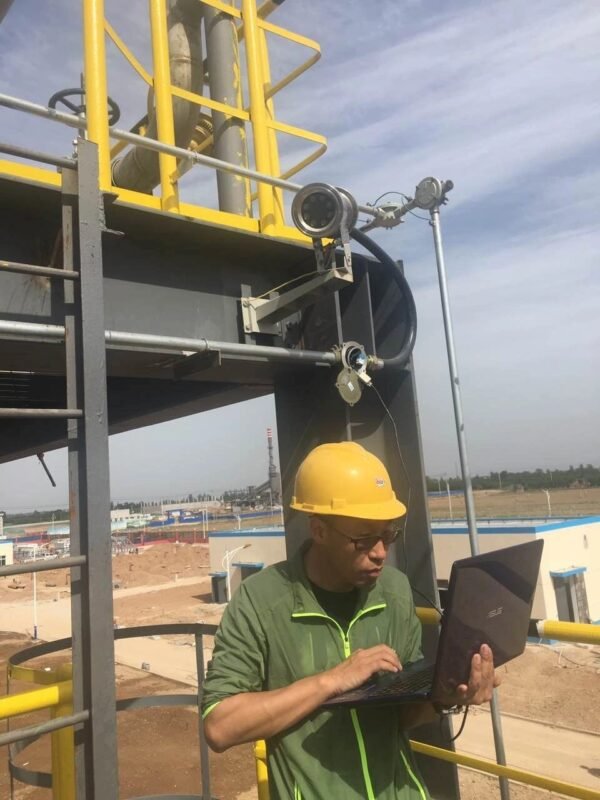
I verify the site classification and pick the exact marking to match. The references list Ex db IIC T6 Gb and Ex tb IIIC T80℃ Db across models, which simplifies standardization. I use proper junction boxes and cable glands to maintain the rating. I size lens focal length to reduce blind zones. I test IR performance for distances listed, such as 50–100 m, and adjust placement. I set WDR and exposure profiles for flare backlight and dark bays. I check housings for IP68 sealing and watch for chemical damage. I write a cleaning routine with approved agents that do not damage coatings. I keep firmware and VMS profiles aligned and document changes.
Cost, Warranty, and Vendor Evaluation?
I pick reliable vendors with clear specs and certifications. I balance cost with risk and lifecycle.
I look for ATEX/IECEx certificates, IP68 sealing, proven imaging specs, and multi-stream encoding. I ask for support, spares, and firmware plans before I buy.
I compare models with consistent marks like Ex db IIC T6 Gb / Ex tb IIIC T80℃ Db to ensure site-wide uniformity. I favor starlight sensors and WDR at 120 dB, which the references show across multiple lines. I verify resolution options, such as 4MP or 5MP, and check frame rates at 30fps. I evaluate lens choices from fixed 4mm to 25× optical zoom for long-reach views. I confirm IR distances and three-stream encoding to scale my bandwidth plan. I request warranty terms, spare parts lists, and service response times. I ask for integration help with VMS and cybersecurity policies. I document every mark and spec in the contract to protect the project.
Conclusion
I choose explosion-proof cameras by matching certification, imaging, and protection to the hazard. I then design power, VMS, and maintenance for long, safe service.